
Top Electrical Facts Every Homeowner Should Know

At some point in time every home owner has the dreaded issues with their electricals, whether this be faulty fuses, broken electrical appliances that trip the entire system, having to re-wire something, etc. The list is endless. To help you along your way when this inevitably happens we have compiled a list of tips to help you with the most common issues…
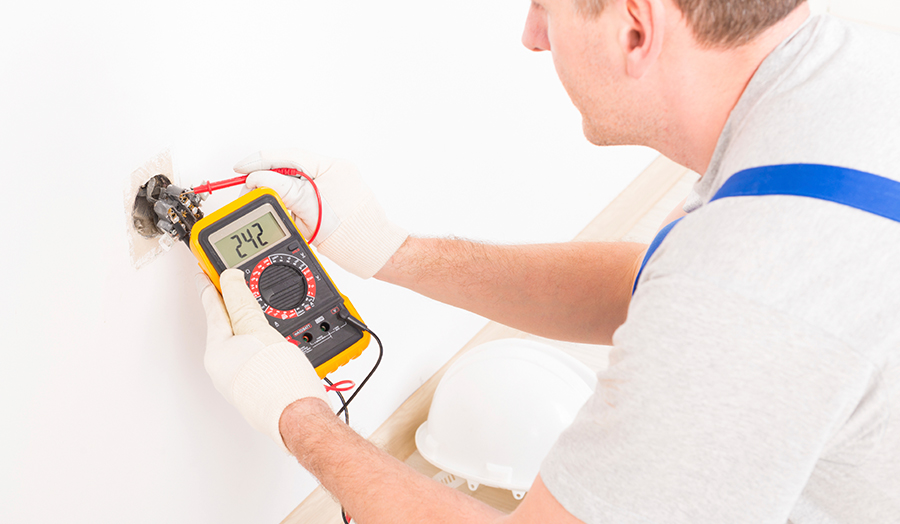
How to test a socket
Testing your socket to see if it is fit for purpose doesn’t mean just checking for voltage, it will need a visual inspection i.e. any cracks, any discolouring and that the wires are in the correct terminals. Then you need to check that all the terminals are tight to ensure you don’t have any loose connections. You can prove the socket works by plugging in a charger or appliance (if you don’t have a voltage indicator) but it is always better you use the voltage indicator if possible. Now all of the checks are done you just need to screw the socket back to the wall. Ensure you don’t trap any cable when pushing the socket back or nipping the conductors with the socket screw.
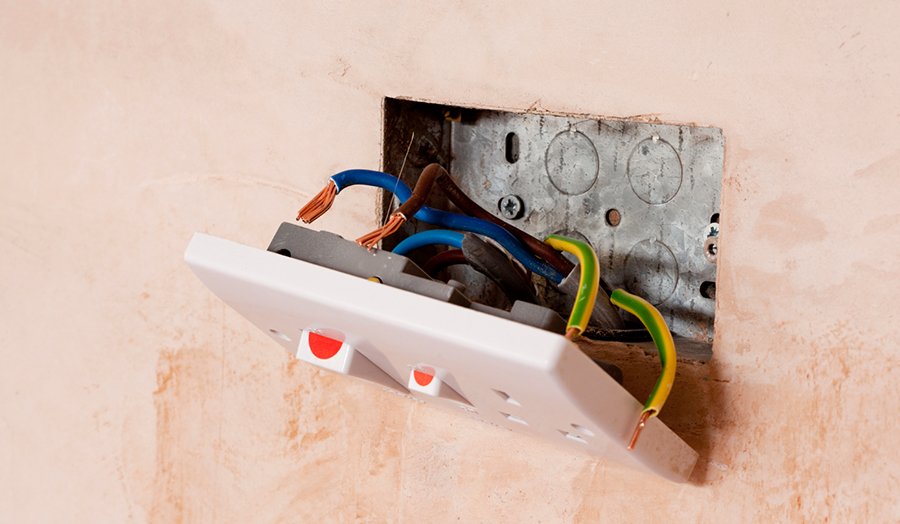
Replacing wall sockets
click here for switches & sockets
For replacing sockets you will need to ensure that the socket has been successfully isolated. To do this use a voltage indicator to see if the socket is live or dead, (if live, switch the power off to the socket at the consumer unit once you have done this you need to prove the voltage indicator is working on a source which you know is working by testing a live socket. Now you are ready to remove the old socket and put the new one on. If you have enough slack on the conductor it is advised that you cut off the old exposed bit of cooper and re-strip the conductors. Then put the brown in the L terminal, the Blue in the N terminal and the Green/Yellow sleeve earth conductors in the E terminal along with a 3rd earth conductor to earth the back box if it is metal, especially if your socket has a metal front. Once you are sure all of the terminals are correct and tight you can turn the socket on and test it once you have screwed it back.
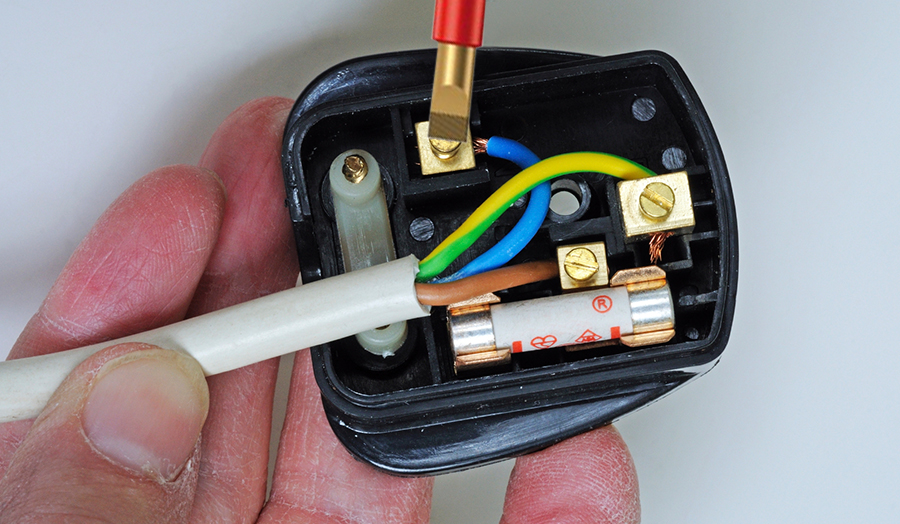
Checking and re-wiring a plug
click here for cables
Checking a plug is very similar to checking a socket, looking for any signs of something awry such as discolouration, cracks etc. Making sure it’s not plugged in, check the main cable going into the plug, has the covering come away? Is it loose? Then unscrew the backing, checking that the wires are correctly fitted. Make sure the main cable is secured in place with the coating going into the plug rather than there being a gap between the coating and plug casing.
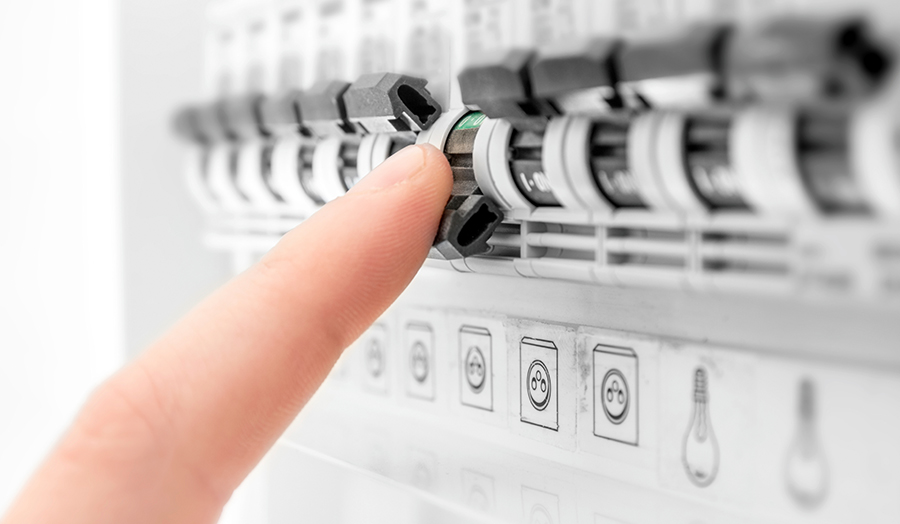
How to reset the fuse box
Firstly, find the fusebox! It will contain 3 things,
1) the main switch which allows you to turn the electricity to your entire home on or off.
2) Residual Current Devices (RCD) these are switches that trip a circuit and instantly disconnect the electricity should something go wrong.
3) Circuit breakers these are automatic protection devices that switch the circuit off if it detects a fault.
Simply find the fault – this is usually an item that has just been switched on, unplug this and reset the switch. Test the item/socket that tripped the system before trying it again.

How to check for wires before installing anything on your walls
click here for tools
Before you hang anything on your walls you need to know what is behind the wall. The safest way to do
this is to purchase a sensor (which are inexpensive) and scan the whole wall to track where everything is placed. Do not under any circumstances hang anything up without checking first.
Using adapters and extensions
Many households have adapters and extension cords in abundance. Using these correctly is simple, but
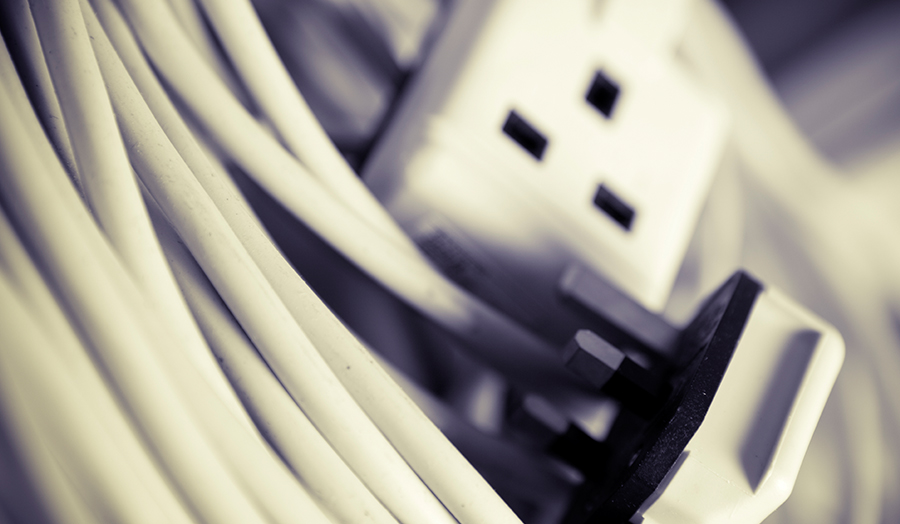
there are still things that can go wrong. Check that you are not overloading either, as this could trip the electrics, or worse, start a fire. Extensions that are overstretched or are plugged into cables that are overstretched can lead to broken wires, disconnected electricity or people falling over them. Never join two cables together by twisting the bare wire together to elongate an extension. Never use damaged extension leads or adapters, replace them immediately to avoid any risks.
Backup equipment
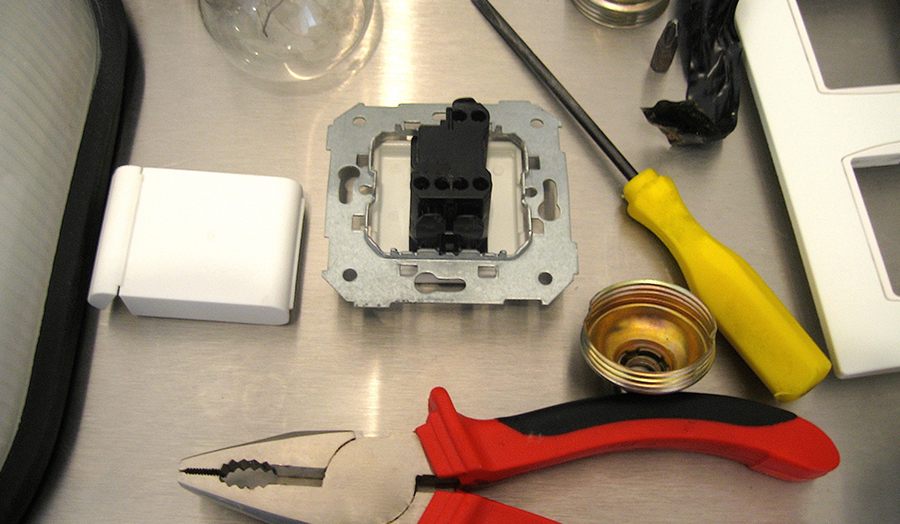
Every new homeowner should have a set of tools for all sorts of jobs. To cover your potential electrical issues, make sure you have the following in your home, just in case: a quality insulated screwdriver, a torch (just in case the electric trips out), spare light bulbs, a couple of spare sockets and extension leads.
New homeowners often have a learning curve period where they discover how to build the basic DIY skills. When it comes to electrical work the above is vital to know, however if you have a greater issue, have and issues or can’t figure out why your household electricity is having issues, call a qualified electrician, never try and attempt to fix the problem yourself if you
are unsure.